A Practical Guide to Protecting and Managing Your Personal Data
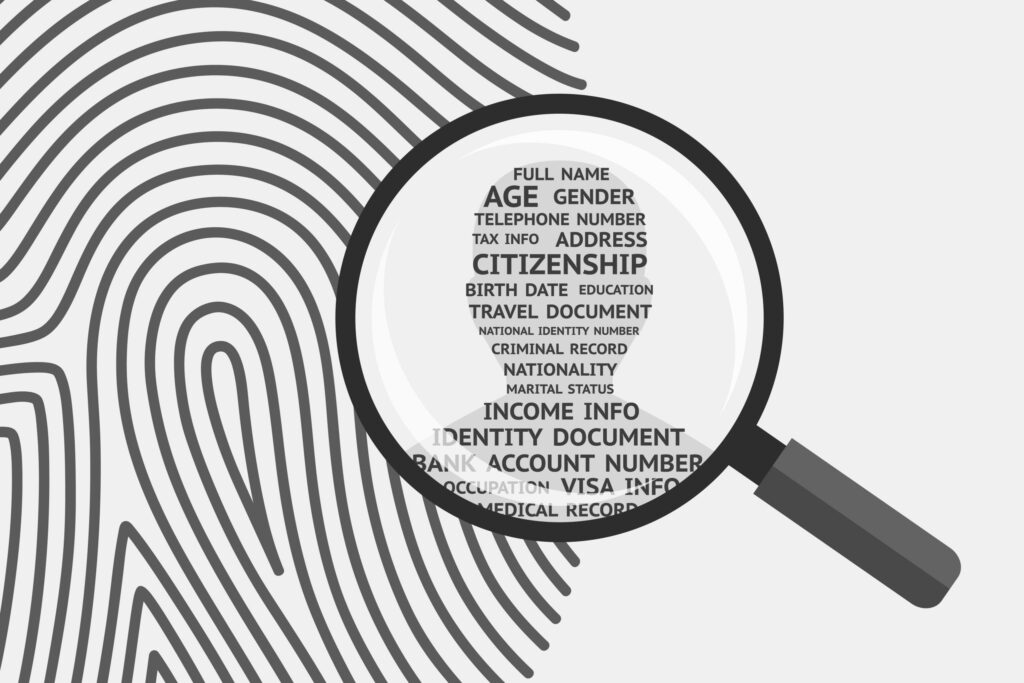
Data privacy is often associated with workplace security training or technical policies, but protecting personal information is something that affects everyone. As more daily activities move online, understanding how data is collected, stored, and shared has become an essential part of maintaining digital security.
Taking control of your data begins with understanding your online habits and reviewing the protections you already have in place. A regular check of your privacy settings, accounts, and security practices can help reduce risks and keep your personal information safer.
Everyday actions performed on digital devices create data. Sending messages, searching online, shopping, watching videos, using applications, or interacting with websites all generate information about your behavior and preferences. Many online services collect this information to personalize experiences, recommend content, improve features, or display targeted advertisements.
However, personal data can also become valuable to cybercriminals. If sensitive information falls into the wrong hands, it may be used for identity theft, financial fraud, account takeovers, or other harmful activities.
Protecting your data is similar to protecting physical belongings. Just as you secure your home or personal items, your digital information requires protection. Personal data often contains details about your identity, finances, communication, and private activities, making it important to manage carefully.

Modern technologies continue to introduce new privacy challenges. Online platforms, connected devices, and automated systems constantly create new ways for information to be collected and analyzed. While companies and service providers should be transparent about how they use personal information, individuals can also take practical steps to reduce risks and improve their own data security.
A strong data privacy routine starts with simple habits that can make a significant difference. Most users can improve their security by following basic protection practices, while people facing higher risks may need additional measures and stronger privacy tools.
Regularly reviewing account credentials is an important part of maintaining data security. Using unique passwords for different services reduces the damage caused if one account is compromised. Password managers can help store complex passwords securely and make it easier to avoid reusing the same login information across multiple platforms.
Keeping all passwords in one secure location requires careful protection, but it is generally safer than using a small number of repeated passwords across many websites. A strong master password and additional security features, such as multi-factor authentication, can provide better protection.
Email security should also be reviewed frequently. Suspicious messages should be reported as spam, and unknown senders should be blocked when necessary. Avoiding suspicious links and attachments can prevent many common cyber threats.
Financial accounts should be checked regularly for unusual activity. Reviewing bank statements, payment records, and account notifications can help identify unauthorized transactions before they become larger problems.
Privacy settings on social media and online services should also be examined. Many platforms allow users to control how their information is collected, shared, and used for recommendations or advertising. Reviewing these settings helps ensure that personal information is not being shared more widely than intended.
Data protection should also be discussed with family members, colleagues, or teams that share digital systems. Consistent security practices help prevent mistakes that could expose information belonging to multiple people.
Sensitive files should be stored securely. Important documents can be protected using encrypted storage, password-protected folders, or other security methods that prevent unauthorized access.
It is also useful to stay informed about organizations and services that store personal information. Companies may change their privacy policies, experience security incidents, or introduce new features that affect how data is handled. Regularly checking for updates helps users make better decisions about which services they continue to use.
Application permissions should be reviewed from time to time. Many apps request access to contacts, location data, cameras, microphones, or files. Removing unnecessary permissions reduces the amount of personal information applications can collect.
Important security information should also be updated regularly. Changing frequently used access codes, device passwords, and primary account credentials helps reduce the risk of unauthorized access.
Users should also understand how organizations that store their information protect it. Healthcare providers, educational institutions, financial services, and other organizations may hold sensitive data, so learning about their security practices can provide greater awareness and control.
Removing unnecessary information is another valuable privacy habit. Old documents, unused accounts, and outdated data sources can create unnecessary exposure. Deleting information that is no longer needed reduces the amount of personal data available to potential attackers.
Improving data privacy is an ongoing process rather than a one-time action. By regularly reviewing accounts, limiting unnecessary data sharing, strengthening security habits, and staying informed about digital risks, individuals can take greater control over their personal information.
A proactive approach to privacy helps create a safer digital environment and reduces the chances of personal data being misused. In an increasingly connected world, responsible data management has become an essential part of everyday digital life.