Protecting Access to Knowledge and Freedom in a Connected World
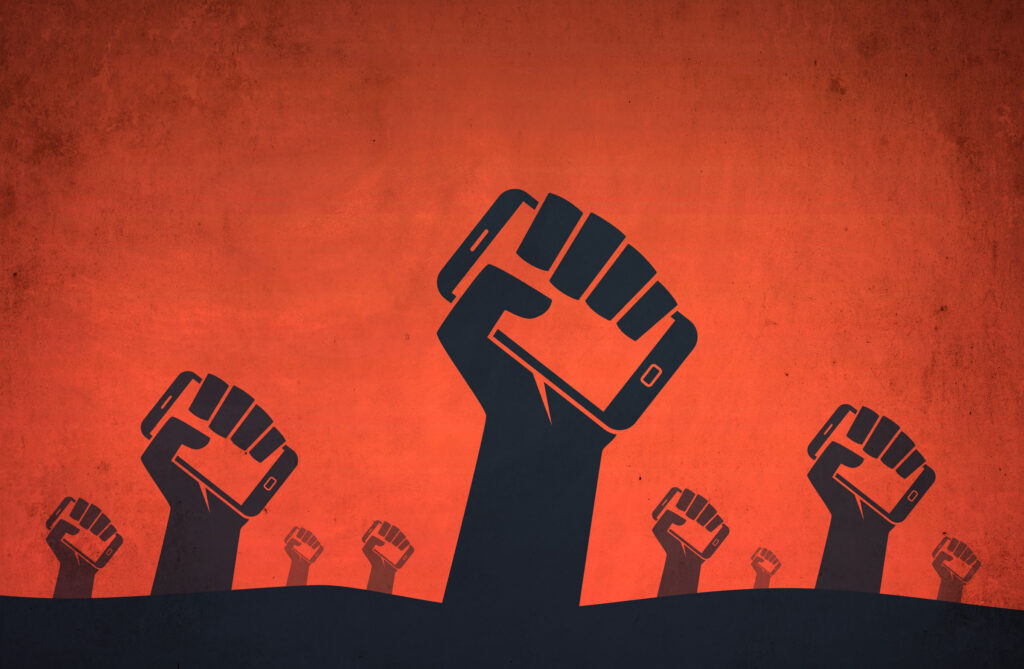
Access to information has become a fundamental part of modern life. In an increasingly digital society, education, communication, economic development, cultural exchange, and participation in public life all depend heavily on the ability to connect and obtain reliable information. As more essential activities move online, restrictions on digital access can create new forms of inequality and limit opportunities for individuals and communities.
Digital access is now closely connected with basic human rights, including freedom of expression, privacy, and equal participation. Online environments have the potential to give people greater opportunities to learn, communicate, and organize, but they can also create barriers through censorship, surveillance, and limited access to digital resources. Addressing these challenges requires approaches that encourage technological progress while protecting individual rights and freedoms.
Digital Rights as an Extension of Fundamental Freedoms
As technology continues to influence everyday life, traditional human rights principles increasingly apply to digital spaces. Rights such as freedom of expression, access to information, and personal privacy remain essential whether interactions happen offline or through online platforms.
At the same time, digital environments introduce new challenges. Large-scale monitoring, improper use of personal information, and unequal access to technology can reduce public trust and prevent people from fully participating in society. Ensuring that digital systems respect human rights requires clear rules, transparency, responsible development, and policies that prioritize people rather than only technological interests.

The Importance of Responsible Digital Access
Information availability plays a major role in empowering individuals. When people can freely access educational resources, cultural materials, public information, and reliable news, they are better prepared to make decisions and contribute to their communities.
Digital tools can support this access when they are designed and used responsibly. However, technology should operate within ethical and legal boundaries, respecting user consent, privacy, and intellectual property rights. A human-centered approach to digital innovation helps ensure that technology improves access to knowledge instead of creating new forms of exploitation or inequality.
Freedom of Expression in Online Spaces
The internet has significantly changed how people communicate and share ideas. Social networks, online communities, search systems, and digital publishing platforms influence which information reaches audiences and how quickly it spreads.
These technologies can help amplify voices that were previously overlooked, allowing more people to participate in public discussions. However, they also create challenges related to content moderation, algorithmic decisions, misinformation, and unequal visibility.
Creating fair digital environments requires transparent moderation practices, clear accountability systems, and responsible technology design. Protecting open communication while addressing harmful content remains one of the most complex challenges in modern digital governance.
The Digital Divide and Unequal Access
Despite major technological progress, access to digital resources remains uneven. Economic conditions, geographic location, infrastructure availability, and government policies all influence who can benefit from online opportunities.
Many communities still face difficulties because of limited internet availability, expensive services, or restrictions on digital resources. This gap affects education, employment, healthcare access, and participation in social and political life.
Reducing digital inequality requires investment in infrastructure, affordable connectivity, digital education, and policies that ensure technology benefits a wider range of people. Equal access to digital resources is increasingly necessary for achieving broader social and economic equality.
Ethics, Responsibility, and the Future of Digital Rights
The continued development of technology requires careful consideration of ethical responsibilities. Questions surrounding data ownership, privacy protection, informed consent, and transparency will remain central to discussions about digital rights.

Effective digital governance should focus on preventing harm before it occurs. Establishing responsible standards, encouraging accountability, and involving communities in technology decisions can help create systems that respect individual freedoms while supporting innovation.
The future of digital rights depends on balancing technological advancement with human values. Digital systems should be designed to protect dignity, fairness, and equal participation rather than creating additional barriers.
Conclusion
Digital access has become deeply connected with human rights in the modern world. The ability to obtain information, communicate freely, and participate online supports education, equality, and social development.
As digital technologies continue to shape everyday life, protecting information freedom requires a balanced approach based on transparency, responsibility, and inclusion. Ensuring that everyone can benefit from digital progress is essential for building a more open, fair, and accessible connected world.